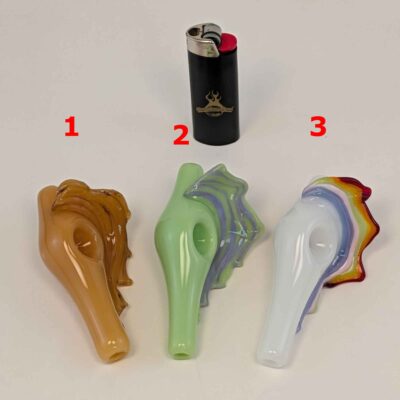
Why Are Steamroller Pipes Different?
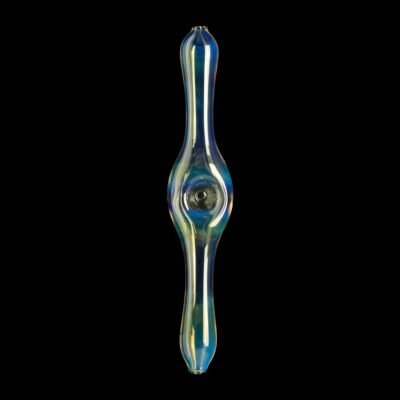
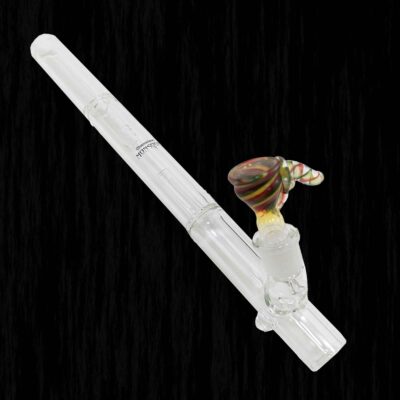
The most obvious difference between a steamroller and other hand pipes is its elongated body and open-ended structure.
The larger and more linear silhouette creates a different visual identity from the compact rounded shape of a spoon pipe.
For shoppers, this makes steamrollers a useful category to explore when a traditional spoon, chillum, or Sherlock doesn't match the style you're looking for.
For collectors, the larger surface and distinctive structure also provide glass artists with opportunities to incorporate more noticeable colorwork, patterns, shaping, and decorative details.
The exact dimensions and construction vary between individual products, so product listings should be reviewed when comparing specific pieces.
Types of Glass Steamroller Pipes
Steamrollers may share a recognizable basic structure, but individual designs can look very different.
Traditional Steamroller Pipes
Traditional steamrollers generally emphasize the recognizable elongated body and open-ended construction.
These designs can appeal to shoppers who want the classic steamroller silhouette without extensive decorative work.
The focus is on the overall shape, chamber, bowl, and glass construction.
Artistic Glass Steamrollers
Artistic steamrollers use the traditional format as a foundation for more elaborate glasswork.
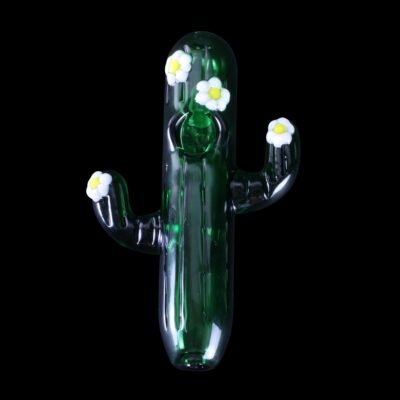
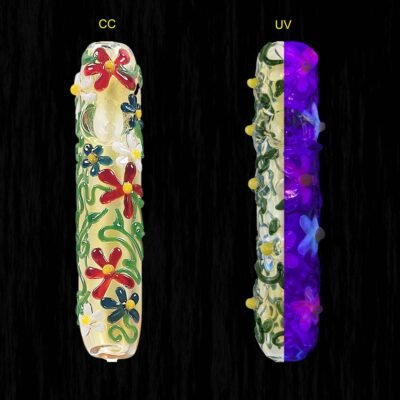
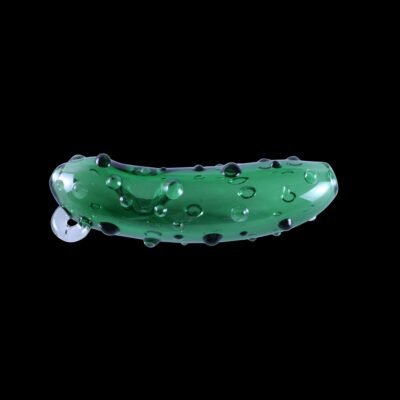
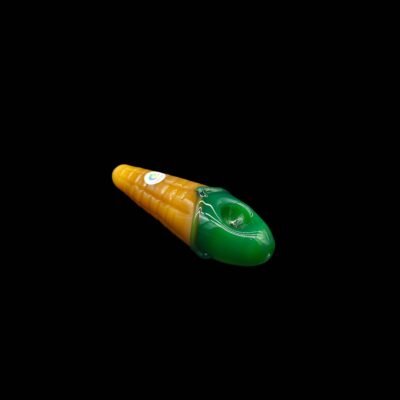
Color combinations, patterns, sculptural details, unusual shaping, and other decorative techniques can make an individual steamroller visually distinctive.
Chameleon Glass offers both straightforward and more decorative interpretations of the steamroller style.
Colored Glass Steamrollers
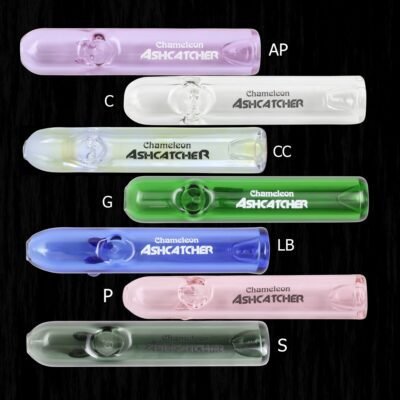
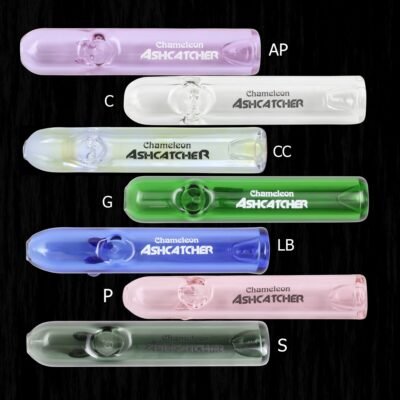
Color can play a significant role in the appearance of a steamroller.
Because the body can provide a relatively large visual area, color combinations and decorative glasswork can become especially noticeable.
Different products may use contrasting colors, patterns, or other glass treatments, allowing shoppers to choose a steamroller based on both its physical form and visual character.
Decorative and Sculptural Steamrollers
Some steamrollers incorporate additional glasswork that changes the appearance of the basic silhouette.
Decorative elements can emphasize the chamber, bowl, body, or other parts of the piece.
For collectors, these variations can make individual steamrollers particularly interesting because the same basic pipe category can be represented through very different artistic approaches.
What to Look For in a Glass Steamroller
When choosing a steamroller pipe, consider several aspects of its construction and design.
Overall Size
Steamrollers are generally more prominent in size and shape than many compact hand pipes.
Check the individual product dimensions to understand the actual size of the piece before purchasing.
Chamber Shape
The chamber is an important part of the steamroller's visual identity.
Compare the length, proportions, and overall shape of the chamber between different designs.
Bowl Design
The bowl configuration can vary between individual steamrollers.
Review the product-specific description and specifications to understand the bowl's design and placement.
Glass Thickness and Construction
Consider the overall glasswork, finish, shaping, and construction of the piece.
Individual product pages should be used for exact specifications and product-specific information.
Color and Decoration
Color and decorative work can make a major difference to the appearance of a steamroller.
Chameleon Glass offers different designs and glass treatments, allowing shoppers to choose between understated and more elaborate pieces.
Overall Shape
Because the steamroller has such a distinctive silhouette, the proportions of the body can have a noticeable effect on the appearance of the finished piece.
Compare different designs if you're deciding between a shorter, more compact steamroller and a larger, more visually prominent piece.
Glass Steamrollers vs. Other Hand Pipes
Understanding how steamrollers compare with other hand-pipe styles can make it easier to choose the right category.
Steamroller vs. Spoon Pipe
A steamroller generally has a longer, more open body and distinctive chamber configuration.
A spoon pipe has a more compact, rounded, spoon-like body.
The two styles therefore have very different silhouettes. A spoon tends to emphasize compactness and a familiar curved form, while the steamroller has a more elongated and prominent design.
Steamroller vs. Chillum
A chillum is generally a simple, straight pipe with a minimalist profile.
Although a steamroller can also have a relatively linear shape, its larger chamber and open-ended construction make its overall structure substantially different.
Steamroller vs. Sherlock
A Sherlock pipe is defined by its pronounced curved stem and classic bent-pipe silhouette.
The steamroller instead emphasizes a longer, more open body.
If you prefer a curved traditional pipe, Sherlocks offer a different design direction. If you prefer an elongated and distinctive structure, the steamroller category may be more suitable.
Steamroller vs. One Hitter
A one hitter is generally one of the most compact hand-pipe formats.
A steamroller has a substantially more prominent body and chamber.
These two categories therefore appeal to very different preferences when it comes to size and overall pipe design.
Choosing a Glass Steamroller Pipe
The right steamroller depends on the characteristics you value most.
If you prefer a traditional steamroller, look for a recognizable elongated body and straightforward glass construction.
If you are interested in handmade glass art, compare color combinations, patterns, sculptural details, and other decorative treatments.
If size matters, check the exact product dimensions.
If appearance is important, compare the different glass colors and decorative techniques available.
If you are building a collection, consider how the steamroller's larger silhouette and design fit alongside your other glass pieces.
The individual product listing should always be reviewed for exact dimensions, specifications, and current product details.
Handmade Glass Steamroller Pipes
Handmade glass allows artists to take a recognizable steamroller structure and interpret it in different ways.
The elongated body provides a distinctive foundation for experimentation with color, shaping, decoration, and proportions.
As a result, individual steamrollers can have substantially different visual identities even though they belong to the same general pipe category.
For collectors, this variation can be particularly appealing. A traditional-looking steamroller can sit alongside a more colorful or sculptural interpretation while both remain recognizable as steamroller designs.
Chameleon Glass combines functional pipe construction with original glass designs, creating different approaches to the steamroller form.
Caring for a Glass Steamroller
Glass steamrollers should be handled and stored carefully.
Because steamrollers can have larger or more prominent bodies, choose a secure storage location where the piece is protected from accidental impacts.
Use suitable protection when transporting the pipe.
Regular cleaning can help maintain the appearance and condition of the glass. Follow the care recommendations associated with the specific product, particularly if the piece includes decorative elements or specialized glass construction.
Avoid sudden temperature changes that could place unnecessary stress on the glass.
Individual designs can differ, so product-specific care instructions should take priority whenever available.
Why Choose Chameleon Glass Steamroller Pipes?
Chameleon Glass combines functional pipe designs with American glassmaking and original product development.
The company's broader collection includes both established pipe categories and original designs, giving shoppers different approaches to handmade glass.
The steamroller collection reflects this philosophy by combining a recognizable pipe format with variations in glasswork, design, color, proportions, and decorative treatment.
For shoppers, this provides the ability to compare straightforward steamroller designs with more visually distinctive pieces.
For collectors, the variety creates opportunities to find individual pieces with different artistic characteristics while staying within the same recognizable pipe style.
What Makes Chameleon Glass Different?
Chameleon Glass has a glassmaking history dating back to 1991 and combines functional glass products with original American-made designs.
The company offers a broad range of pipe styles rather than focusing on one standardized form. Its collection includes spoons, chillums, Sherlock pipes, steamrollers, one hitters, briar-style pipes, and other specialty glass designs.
This variety allows shoppers to compare different approaches to glass pipe construction and choose a style based on shape, size, appearance, and design.
Chameleon Glass also describes its products as being designed and manufactured by glassblowers in the United States and states that its pieces undergo quality-control checks for defects, functional performance, and aesthetic consistency.
The result is a collection that combines established pipe forms with original glassmaking and distinctive handmade designs.
FAQ
What is a steamroller pipe?
A steamroller is a hand-pipe style with an elongated chamber and distinctive airflow configuration.
How is a steamroller different from a spoon pipe?
A steamroller has a more open, elongated design, while a spoon pipe has a compact curved body.
Are glass steamrollers handmade?
Chameleon Glass produces handmade American glass products; individual product pages provide the most specific information.
Why Do Steamrollers Hit So Much Harder?
A steamroller's longer, wider chamber holds a bigger volume of smoke per pull than a spoon or chillum — that's the entire reason people search for one specifically instead of a regular hand pipe. Expect a bigger, more intense hit.