


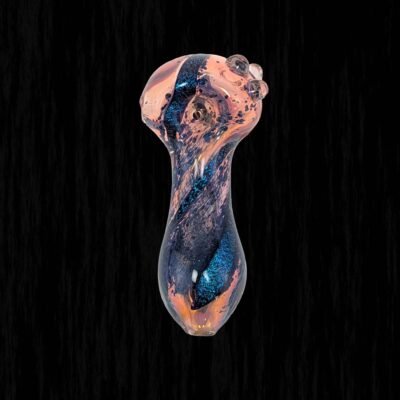



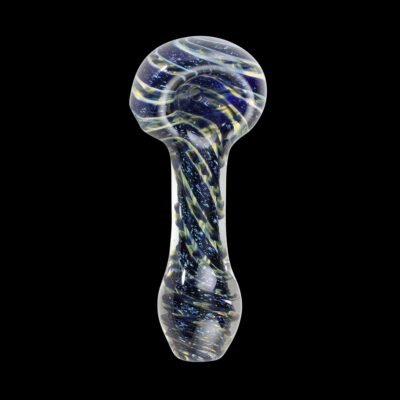
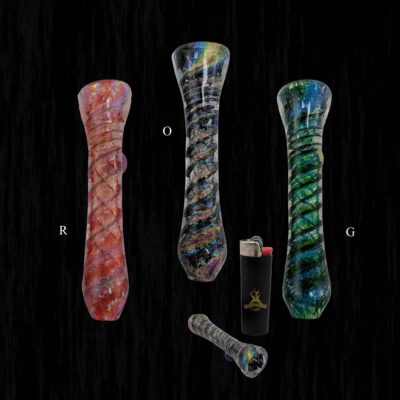


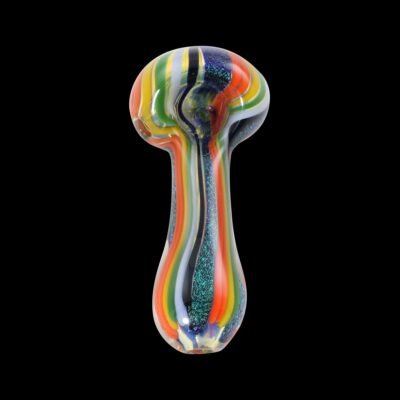




Why Does Dichro Glass Look Different in Every Light?
Dichroic glass has a microscopically thin metallic coating that reflects different wavelengths of light depending on the angle and light source — that's the physical reason it looks like it changes color as you move it or the light shifts, not a dye or paint effect. This is genuinely a materials-science answer, not marketing language, and it's worth explaining plainly since it's the actual mechanism behind the "magic" look.
Is Dichroic Glass More Fragile Than Regular Colored Glass?
Not inherently — the coating itself is extremely thin and typically applied to the interior or between layers of the piece, similar to inside-out construction, so it's protected from the surface wear that would otherwise degrade it. Overall durability comes down to the base glass and construction method more than the dichroic coating itself.
Why Is Dichroic Glass Often More Expensive?
The coating process requires specialized equipment (typically vacuum deposition of metal oxide layers) that's more involved than standard color glass techniques — that added complexity is generally reflected in the price. If you're comparing two similarly sized pieces and one costs noticeably more, dichroic treatment is a common reason why.
Internal Links
FAQ
Why does dichroic glass change color depending on the angle?
A thin metallic coating reflects different light wavelengths depending on viewing angle and light source — a physical optical effect, not a dye.
Is dichroic glass safe to smoke out of?
The coating is typically protected within the glass construction rather than exposed to direct heat or contact, similar to inside-out glass techniques.
Why is dichroic glass usually pricier?
The coating process requires specialized equipment beyond standard color glass techniques, which is generally reflected in the cost.
