-

-

-
-
-
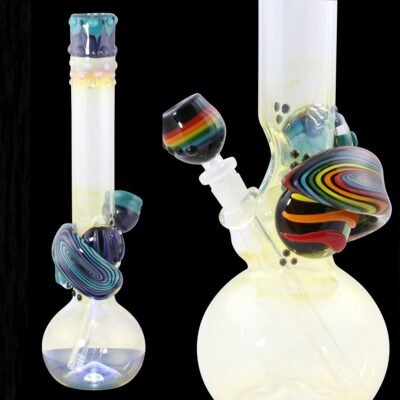
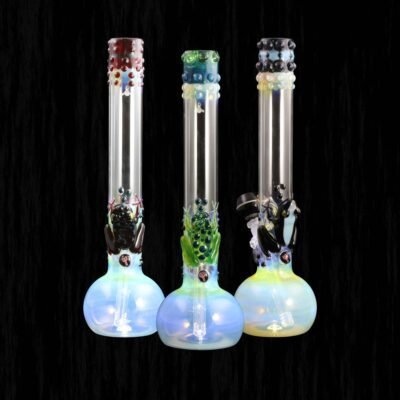
Europa Series Millefiori Marble Glass Water Pipe
Original price was: $149.99.$88.88Current price is: $88.88. -

-
-
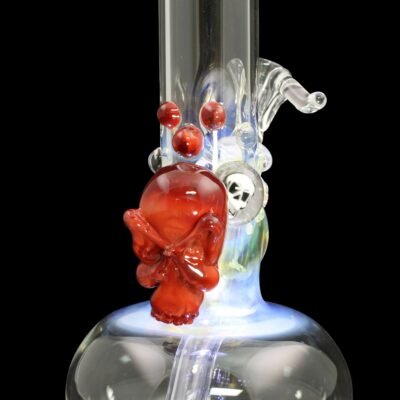
Prometheus Series Skull Glass Water Pipe
Original price was: $199.99.$129.99Current price is: $129.99. -
-
-

-

-
-
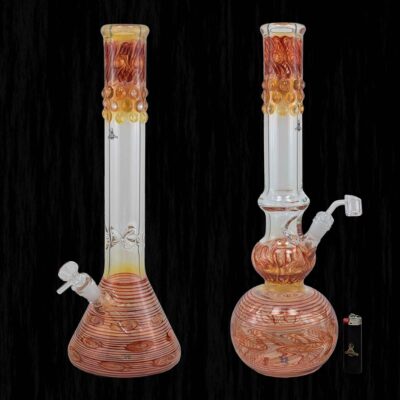
A glass bong is a type of water pipe that uses a water chamber as part of its filtration system. Glass is widely used for bong construction because it can be shaped into chambers, bases, joints, percolation structures, tubes, and decorative elements while maintaining a clear view of the internal design.
Chameleon Glass offers a range of glass bongs in different shapes and configurations, allowing shoppers to compare size, chamber design, filtration, joint configuration, stability, and overall construction. Some designs emphasize a straightforward, traditional structure, while others incorporate additional chambers, distinctive glasswork, or more elaborate filtration features.
When comparing glass bongs, shoppers should consider the overall dimensions, base stability, joint configuration, chamber design, filtration system, glass construction, cleaning requirements, and the design characteristics that best match their preferences.
A glass bong is a water pipe that incorporates a water chamber into its design.
The basic concept combines a chamber, water, an airway, and a mouthpiece within a single piece of glass. Depending on the design, a bong may also incorporate additional chambers, percolators, diffusers, ice-catching features, or other glass components.
One of the advantages of glass is that it allows manufacturers and glass artists to create these different structures within a single piece.
The result can range from a relatively simple glass bong with a straightforward chamber and base to more elaborate designs incorporating multiple sections and filtration components.
Chameleon Glass offers different bong configurations so shoppers can compare these variations and choose a design based on size, shape, construction, and filtration.
Glass offers several characteristics that make it well suited to water-pipe construction.
Glass can be formed into tubes, chambers, bases, joints, and other structures required for different bong designs.
This gives glassmakers considerable freedom when developing both traditional and original shapes.
Clear or translucent glass can allow shoppers to see the internal construction of a bong.
This can make features such as chambers, water levels, percolation structures, and decorative glasswork visually prominent.
Glassmaking also allows functional water pipes to incorporate color, patterns, sculptural elements, and other decorative techniques.
This means a glass bong can be both a functional glass product and a visually distinctive piece.
Glass bongs are available in many configurations.
Different designs can vary in height, chamber size, base shape, joint configuration, filtration, and decorative treatment.
This gives shoppers a wide range of characteristics to compare.
Not every glass bong is constructed the same way.
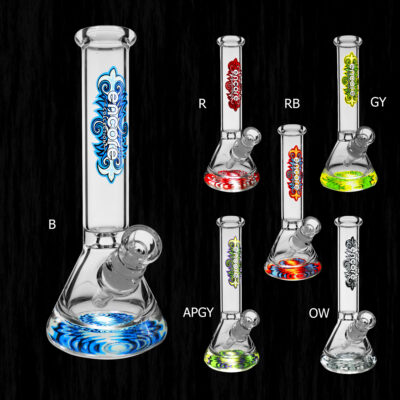
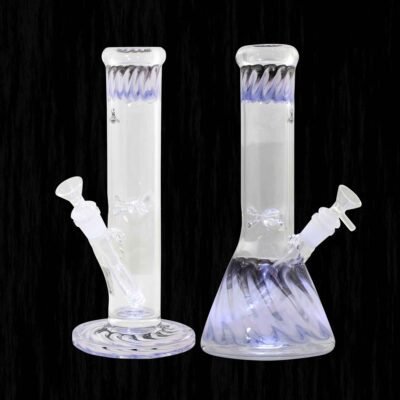
Traditional glass bong designs generally focus on a straightforward chamber, stable base, joint, and mouthpiece.
These designs can appeal to shoppers who prefer a familiar and uncomplicated configuration.
The emphasis is generally on the basic water-pipe structure rather than extensive additional components.
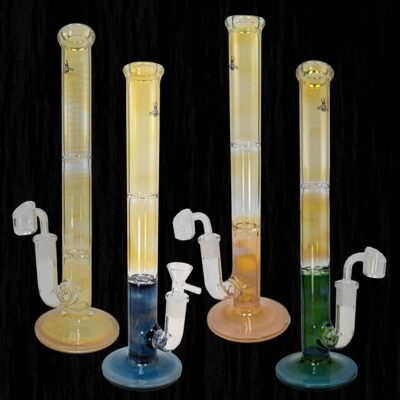
Some glass bongs incorporate additional chambers into their construction.
Multiple chambers can create a more elaborate internal structure and give the piece a substantially different appearance from a simple single-chamber design.
When comparing these designs, look carefully at the product specifications and photographs to understand the actual chamber configuration.
Some bongs incorporate percolation structures designed to increase the interaction between the water and the airflow.
Percolators can take different forms and can become an important part of the bong's overall design.
If filtration configuration is important to you, compare the specific percolator or filtration design of each product rather than assuming all glass bongs use the same system.
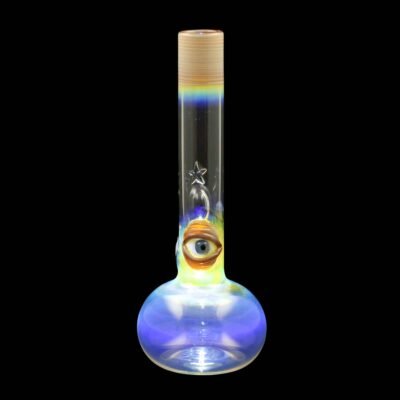
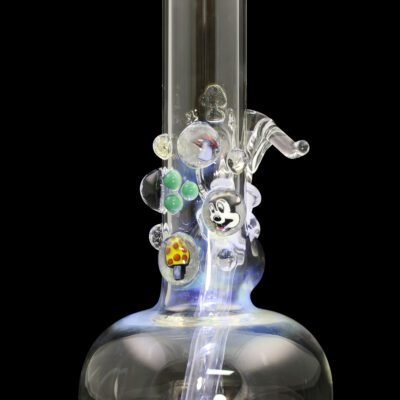
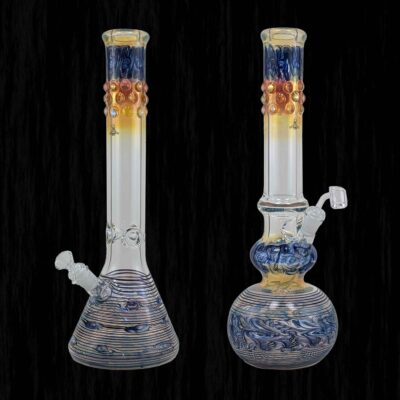
Glass artists can incorporate color, patterns, sculptural elements, and other decorative techniques into bong designs.
These features can make an otherwise familiar water-pipe structure visually distinctive.
Chameleon Glass combines functional glassmaking with original designs, giving shoppers the opportunity to compare more traditional designs with pieces that place greater emphasis on artistic glasswork.
A good glass bong should have construction appropriate to its design and intended use while matching the shopper's preferences for size, appearance, filtration, and maintenance.
Important characteristics include:
A stable base is important when considering the overall construction of a glass bong.
Look at the base dimensions and overall proportions when comparing different designs.
A broader or more substantial base can give a bong a different physical profile from a narrower design.
Consider the overall glass construction and finish.
Individual products can differ in their dimensions, thickness, shaping, and decorative glasswork, so product-specific specifications should be reviewed before making a selection.
The joint is an important part of a bong's construction because it connects different components of the water-pipe system.
When purchasing accessories or replacement components, compatibility with the specific bong is important.
Always check the individual product information for the relevant joint size and configuration.
The chamber is central to the design of a glass bong.
Different bongs can use different chamber sizes, shapes, and configurations.
Compare these characteristics when deciding between models.
Filtration is another major point of difference between bong designs.
Some pieces use relatively simple water-chamber configurations, while others incorporate additional percolation or filtration structures.
Consider the design of the specific bong rather than assuming every water pipe provides the same filtration configuration.
A bong's design can also affect maintenance.
More elaborate chambers and percolation structures may have more areas that require attention during cleaning.
Consider the overall construction and cleaning requirements before choosing a design.
There isn't one glass bong design that is right for every shopper.
Instead, consider the characteristics that matter most to you.
Glass bongs are available in different heights and overall dimensions.
A larger design may have a more prominent presence, while a smaller design may take up less space.
Always check the listed dimensions rather than estimating size from photographs.
Look at the base and overall proportions.
A bong should have a configuration appropriate to where and how you intend to store it.
Check the joint size and configuration of the specific product.
This becomes particularly important if you plan to use compatible accessories or replacement components.
Compare the water chamber and any additional filtration or percolation structures.
Different configurations can create very different internal designs.
Think about how the chamber, joints, and any additional components will be maintained.
A simpler bong may have fewer internal structures, while a more elaborate design may require additional attention during cleaning.
Finally, consider the glasswork itself.
Color, shaping, patterns, sculptural details, and other decorative elements can make one bong visually very different from another.
One of the defining advantages of glass is the flexibility it gives glassmakers.
A basic water-pipe concept can be developed into many different forms.
Glass artists can work with:
This allows the same basic category—glass bong—to encompass a wide range of designs.
For shoppers, that means choosing a glass bong isn't only about the basic category. It is also about selecting the specific combination of size, construction, filtration, appearance, and glasswork that matches their preferences.
Glass bongs should be handled and stored carefully.
Keep the piece on a stable surface where it is protected from accidental impacts.
When transporting a glass bong, use appropriate protection and take particular care with joints, stems, bases, and other protruding components.
Regular cleaning can help maintain the appearance and condition of the glass. Follow the care recommendations associated with the individual product.
More complex designs may have additional chambers or filtration structures that require attention during cleaning.
Avoid sudden temperature changes that could place unnecessary stress on the glass.
Because individual bong designs differ, always give priority to product-specific care instructions where they are provided.
Chameleon Glass has been developing glass products since 1991 and combines functional glass manufacturing with original designs and American-made production.
The company's bong collection reflects this approach by offering different water-pipe configurations rather than a single standardized design.
Shoppers can compare different sizes, shapes, chamber configurations, filtration approaches, and decorative glasswork within the broader collection.
This allows the category to appeal to shoppers looking for straightforward glass bongs as well as those interested in more distinctive handmade glass designs.
Chameleon Glass combines functional glass manufacturing, original designs, and American-made production.
Its collection includes established glass-pipe categories alongside original designs, allowing shoppers to compare different approaches to glassmaking.
For glass bong shoppers, this means the collection can be explored according to several different priorities:
The company's history in glassmaking dates back to 1991, giving the brand a long-established connection to functional glass products and original design.
Glass bongs are part of the broader water pipe category.
When exploring Chameleon Glass, shoppers may encounter different water-pipe configurations, including bongs, bubblers, rigs, and other related designs.
Understanding the differences between these categories can make it easier to navigate the collection.
A traditional bong generally has a larger water chamber and more substantial overall structure, while a bubbler typically has a more compact form.
Individual product categories should be reviewed for their specific construction and intended characteristics.
A glass bong is a type of water pipe that uses a water chamber as part of its filtration system. Glass allows manufacturers and glass artists to create different chambers, bases, joints, and filtration structures.
Glass can be shaped into complex chambers, tubes, bases, joints, and percolation structures. It also allows decorative and artistic glasswork to be incorporated into the design.
Compare the size, base stability, joint configuration, chamber design, filtration system, glass construction, appearance, and cleaning requirements of the individual products.
A percolator is a glass filtration structure incorporated into some water pipes. Different percolator designs can create different internal configurations, so check the individual product description for specific details.
Consider the overall dimensions, stability of the base, glass construction, joint configuration, chamber design, filtration, appearance, and how easy the specific design is to maintain.
No. Glass bongs are available in different sizes and configurations. Check the individual product dimensions to understand the actual size of each piece.
Chameleon Glass describes its products as American-made. Individual product pages should be checked for product-specific manufacturing information.
Follow the care instructions provided for the specific product. Regular cleaning and careful handling can help maintain the glass, while secure storage can help protect the piece from accidental impacts.
Both are water pipes, but they can differ in overall size, chamber configuration, and design. Bongs generally have a more substantial water-pipe structure, while bubblers are typically more compact. Specific designs can vary.