Glass Dabbers & Dab Tools
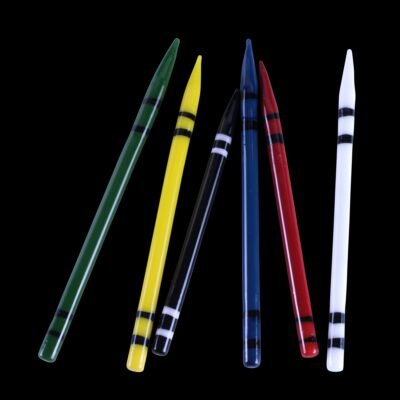
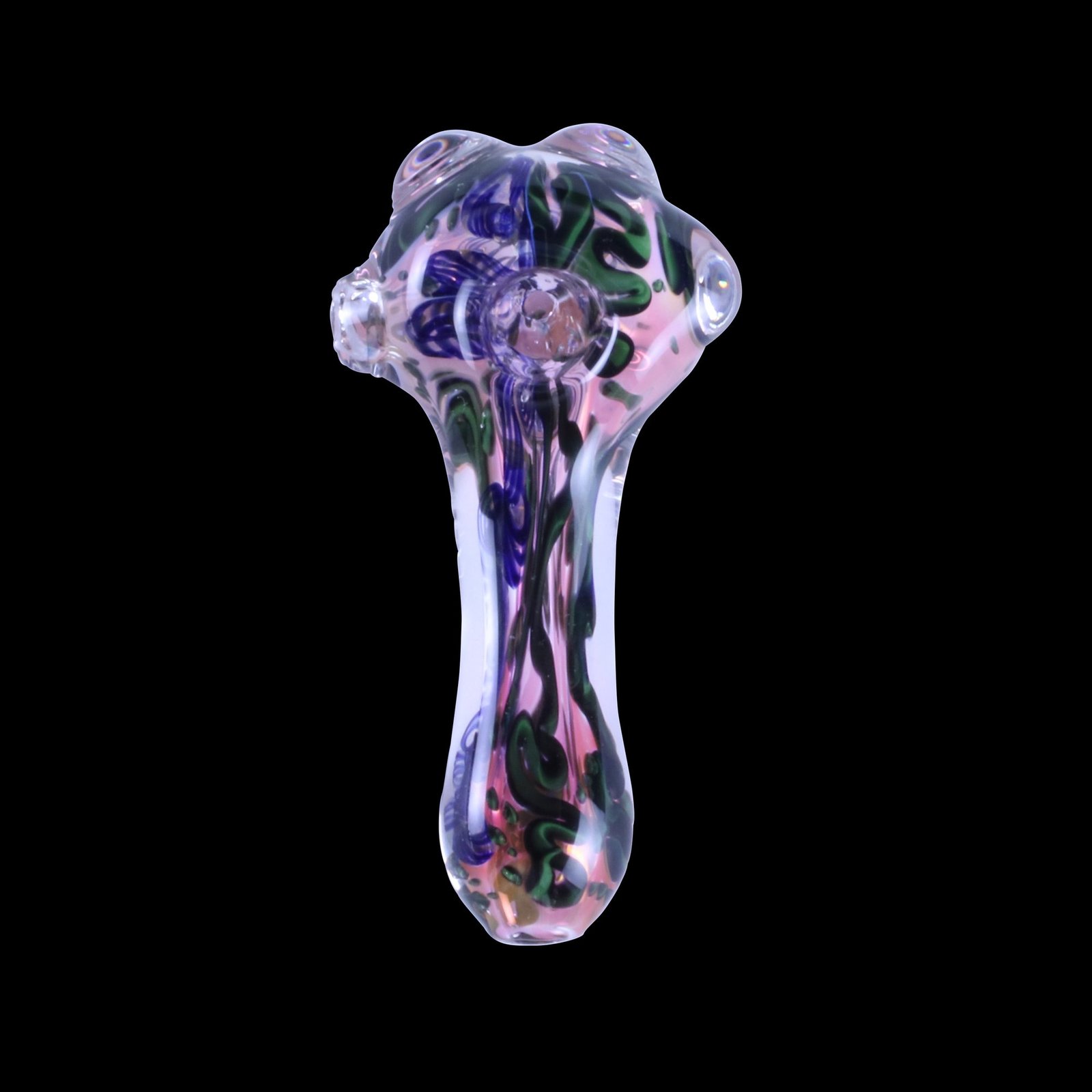
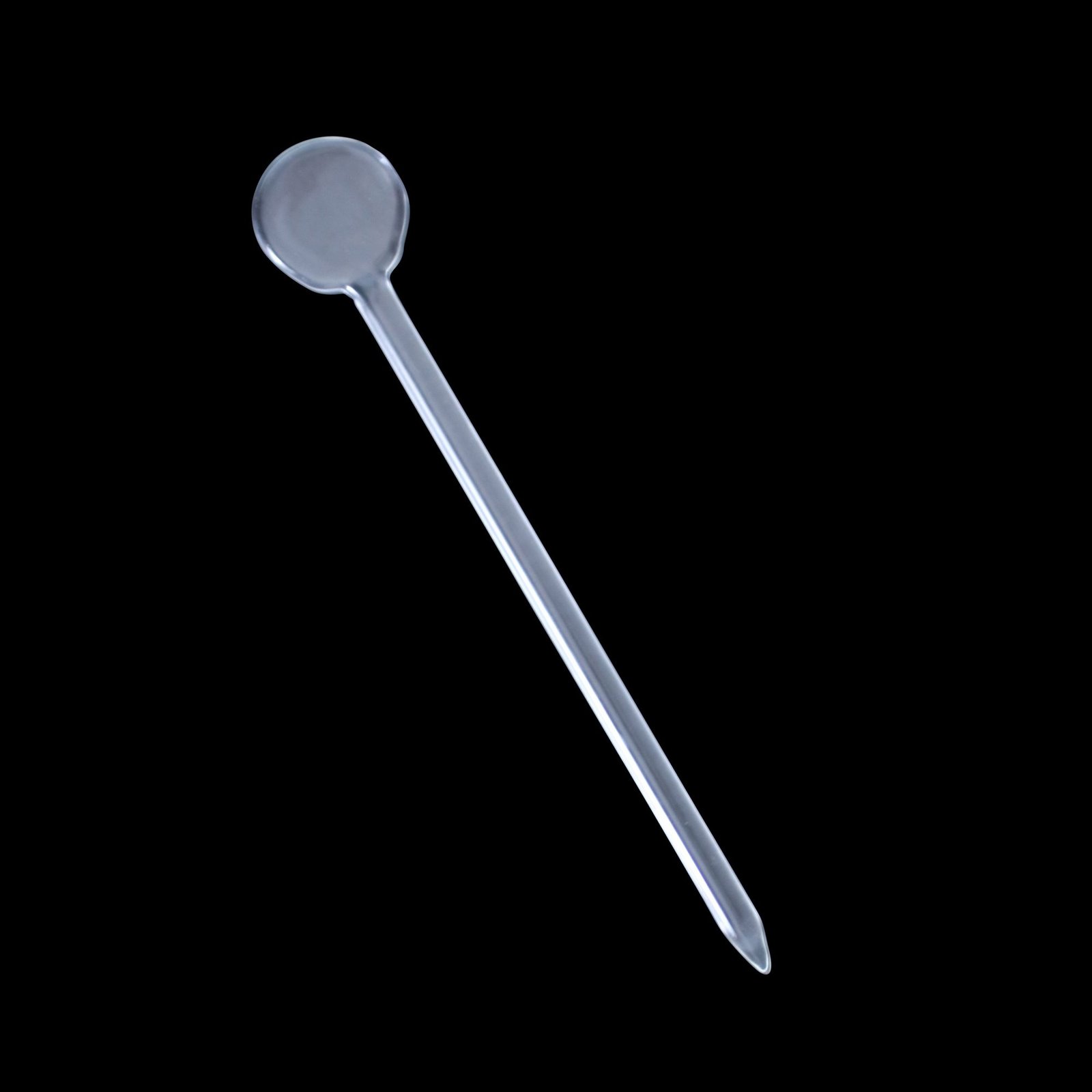
Glass dabbers are small tools designed for handling compatible concentrates and materials. Chameleon Glass offers dabbers in different shapes and glass designs.
Glass dabbers are small tools designed for handling compatible concentrates and materials. Chameleon Glass offers dabbers in different shapes and glass designs.
Do I Need a Dabber If I Already Have a Nail?
Yes — a dabber is the tool that actually applies your concentrate to a hot nail or banger; the nail alone doesn't do that job. If you searched "dab tool," this is what you're after. Without one, you're stuck trying to use makeshift tools that either don't hold concentrate well or risk burning your fingers near a heated surface.
What Material Dabber Should I Get?
Metal dabbers are the most common and durable, but concentrate can stick to them more than to other materials. Glass dabbers match your rig aesthetically and don't retain heat as fast, making them safer to handle right after use. Titanium dabbers resist buildup better than either and are popular for frequent use. There's no wrong choice — it comes down to how often you dab and whether you prioritize grip, heat resistance, or looks.
How Do I Clean a Dabber Properly?
Residue buildup on a dabber tip is the most common complaint in this category. A quick wipe with isopropyl alcohol after each use prevents the sticky buildup that makes precise application harder over time. For dabbers with detailed ends (spades, scoops), a cotton swab dipped in alcohol reaches the grooves a flat wipe misses.
Internal Links
Glass offers several characteristics that make it suitable for tool manufacturing.
It can be formed into precise shapes, allowing manufacturers and glass artists to create different tip configurations.
Glass can also incorporate:
This means that a glass dabber can be both a functional tool and a distinctive piece of handmade glass.
For collectors, the visual design can be just as important as the basic function.
For everyday shoppers, factors such as size, handling, tip shape, and ease of cleaning may be more important.
Glass dabbers can vary significantly depending on the shape of the working end.
The exact types and configurations available can differ by product.
The tip is one of the most important differences between dabbers.
Different tip shapes can be designed for different handling requirements and applications.
When comparing products, examine the shape and size of the tip rather than assuming that all glass dabbers are identical.
The handle can also vary.
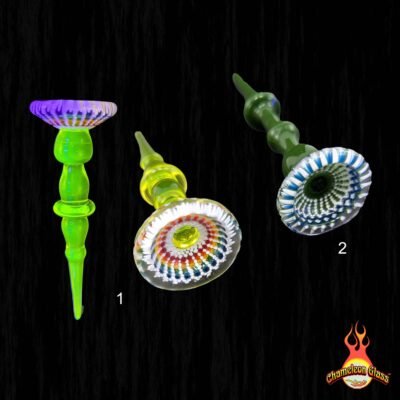
Some dabbers may have relatively simple straight designs, while others can incorporate curves, shaping, colorwork, or decorative glass elements.
A comfortable handle can make the tool easier to control.
Because glass can be colored and shaped during manufacturing, dabbers can include distinctive visual treatments.
Colors, patterns, sculptural details, and other glassworking techniques can give individual pieces their own character.
This can make decorative dabbers particularly appealing to shoppers who also collect handmade glass.
The best dabber depends on what you value in a glass tool.
Here are the main factors to consider.
Start with the tip.
Different tip configurations can provide different handling characteristics.
Choose a shape that suits the intended application and your personal preference.
Consider the total length of the dabber.
A longer or shorter design can feel different when held and stored.
The available storage space may also be relevant when comparing different sizes.
Look at the shape and construction of the handle.
A well-defined handle can make the tool easier to hold and control.
Decorative shaping can also make the piece more visually distinctive.
Consider the overall construction and finish.
Handmade glass can vary in appearance, shaping, color, and decorative detail.
Individual product descriptions should be consulted for product-specific construction information.
Consider how easy the tool will be to clean and maintain.
A simple design may be easier to clean, while a more elaborate piece may require additional attention around decorative or shaped areas.
Always follow the care instructions provided for the individual product.
A dabber should be appropriate for the setup and application for which it is intended.
If the product is designed for use with a particular component or setup, verify the relevant specifications before purchasing.
The tip is the defining feature of a dabber.
Glassmakers can create different profiles by shaping the glass into different forms.
When comparing dabbers, consider:
The product listing should provide the most specific information about the particular design.
Rather than choosing solely based on appearance, consider how the tip and handle correspond with the way you intend to use and maintain the tool.
One of the advantages of glass as a material is the ability to combine function with artistic design.
A glass dabber can be shaped into a relatively simple tool or developed into a more distinctive handmade piece.
Colorwork, patterns, sculptural shaping, and other decorative techniques can give individual dabbers a unique appearance.
This is particularly relevant for collectors who want their tools to complement the rest of their glass collection.
Chameleon Glass combines functional glass products with original designs, bringing this approach to its broader collection of tools and accessories.
A glass dabber is one type of glass tool, but it is not interchangeable with every other glass accessory.
Chameleon Glass also offers categories such as:
These products serve different purposes and can have different compatibility requirements.
A downstem, for example, is a component designed to connect to a compatible water chamber.
A glass bowl can serve as a removable or integrated component of a compatible glass piece.
A glass nail is a specialized component with its own configuration.
A dabber, by comparison, is primarily a small hand-held tool.
Understanding the difference between these categories can make it easier to find the correct product.
If you already have a collection of glass products, the appearance of a new dabber may be an important consideration.
You may want a tool that complements:
Because handmade glass can vary from one design to another, shoppers can choose between relatively understated tools and more visually distinctive pieces.
This makes glass dabbers useful both as functional accessories and as additions to a broader glass collection.
Glass dabbers should be handled carefully.
Although glass can be durable when properly manufactured and handled, it can still break if dropped or subjected to impacts.
When maintaining a glass dabber:
The exact maintenance requirements can vary according to the product's construction.
Always follow the manufacturer's instructions for the specific dabber.
Dabbers are part of the broader Glass Pipe Tools and Replacement Parts category.
This category can be useful for shoppers looking beyond complete glass pieces and looking for individual tools or components.
Chameleon Glass offers related categories including:
Replacement components with specific joint sizes, lengths, diameters, and connection configurations.
Components designed for compatible glass pieces and available in different configurations.
Specialized glass components with specific compatibility requirements.
Glass accessories designed for particular configurations.
Together, these categories provide a broader selection of tools and components for maintaining and complementing a glass collection.
Chameleon Glass combines functional accessories, handmade American glass, and original designs.
The company has a glassmaking history dating back to 1991, and its collection extends across multiple glass categories.
Dabbers can be considered alongside the brand's broader selection of:
This broader product range allows shoppers to explore tools and components alongside complete glass products.
For collectors, it also creates an opportunity to compare different glass designs from the same manufacturer.
Chameleon Glass combines American glassmaking, functional product design, handmade glasswork, and original designs.
Its history dates back to 1991, giving the company decades of experience in developing glass products.
The collection includes both functional accessories and distinctive glass designs.
That combination is particularly relevant to shoppers interested in dabbers because the category sits between a practical glass tool and a piece of handmade glass.
Rather than focusing only on utility, Chameleon Glass incorporates its broader glassmaking approach into tools and accessories as well.
A glass dabber is a small glass tool with a shaped end designed for handling compatible concentrates.
A glass dabber is designed as a tool for handling compatible concentrates. The specific tip shape can vary depending on the product and intended application.
Glass dabbers can have different tip shapes, handle designs, lengths, colors, and decorative treatments. The exact options depend on the individual product.
Consider the tip shape, overall length, handle design, glass construction, cleaning requirements, and compatibility with your setup.
Yes. Different tip shapes can provide different handling characteristics and may be designed for different applications.
Chameleon Glass offers handmade American glass products. Check individual product listings for specific construction details.
Glass can be durable when properly manufactured and handled, but glass tools should still be protected from drops, impacts, and sudden temperature changes.
Follow the care instructions provided with the individual product and handle the glass carefully during cleaning and storage.
The broader tools and replacement-parts collection includes categories such as downstems, bowls, nails, dabbers, domes, and other glass components, subject to current availability.
Depends on priority — metal is durable, glass matches your rig and cools faster, titanium resists buildup best for frequent use.
Yes — it's the tool that applies concentrate to a hot nail; without one you're improvising with something not built for the job.
After every use ideally — residue hardens quickly and gets harder to remove the longer it sits.