How Often Should You Clean a Glass Pipe?
There is no universal cleaning schedule for every glass pipe.
Cleaning frequency depends on use and the specific design of the piece.
A piece that is used frequently may require more regular attention than one that is used less often.
Regular maintenance is generally easier than allowing substantial buildup to accumulate.
Rather than relying on a fixed schedule, consider the condition of the glass and follow the care recommendations appropriate to the individual product.
If a piece has multiple removable components, inspect those areas as part of routine maintenance.
How to Prepare a Glass Pipe for Cleaning
Before cleaning a glass pipe or water pipe, take a moment to understand its construction.
Identify removable components
Determine whether the piece has removable:
- Bowls
- Downstems
- Other glass components
- Accessories
Do not assume that every component should be removed in the same way.
Review product-care instructions
Different glass products can have different care requirements.
Follow the instructions provided for the specific product whenever available.
Choose a suitable workspace
Glass should be handled carefully during cleaning.
Use a stable workspace where the piece and its components are less likely to be dropped or knocked against hard surfaces.
Handle components carefully
Pay particular attention to joints, thin areas, decorative elements, and other parts that may require additional care.
Cleaning Simple Glass Pipes
Simple hand pipes generally have fewer components than larger water pipes.
This can make the overall maintenance process more straightforward, although the specific care requirements still depend on the design.
When maintaining a simple glass pipe:
- Identify the bowl and airway.
- Inspect areas where residue has accumulated.
- Follow the product's recommended cleaning instructions.
- Handle the glass carefully.
- Allow the piece to be appropriately maintained and stored according to its care instructions.
Avoid treating every glass pipe identically. Different shapes, decorative details, and constructions can require different approaches.
Cleaning Glass Water Pipes
Water pipes can require additional attention because they may contain multiple components and chambers.
Depending on the design, a water pipe may include:
- Main chamber
- Downstem
- Bowl
- Additional chambers
- Other removable components
Before cleaning, identify which parts are removable and how they connect to the main piece.
Removing compatible components can make it easier to inspect individual areas, but components should always be handled carefully.
Pay particular attention to connection points and avoid forcing components apart.
Caring for Downstems
A glass downstem is a component that extends into a water chamber and provides a pathway for airflow into the water.
Because downstems are removable components on some water pipes, they can require individual attention during maintenance.
When caring for a downstem:
- Remove it carefully if the design allows removal.
- Avoid applying excessive force.
- Handle the glass carefully.
- Inspect the connection area.
- Follow the care instructions appropriate to the product.
Downstems can differ in length, diameter, joint size, and configuration, so replacement or maintenance requirements can vary between products.
Caring for Glass Bowls
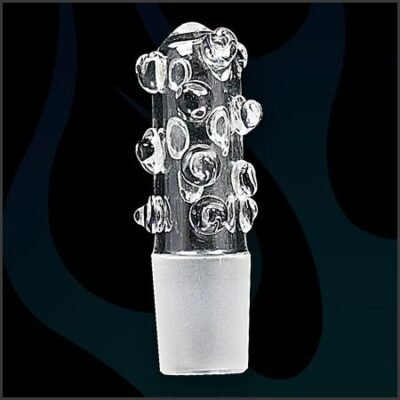
Glass bowls can also be removable components of compatible glass pieces.
When maintaining a removable bowl, handle the component carefully and avoid impacts around the joint or other connection areas.
If a bowl needs replacement rather than cleaning or maintenance, verify the joint size, connection configuration, and product compatibility before selecting a replacement.
Chameleon Glass offers glass bowls alongside other replacement components.
Why Sudden Temperature Changes Matter
One of the most important considerations when caring for glass is avoiding sudden temperature changes.
Glass can be sensitive to thermal stress.
For that reason, avoid exposing a glass piece to abrupt changes in temperature during cleaning or handling.
Allow the piece to be handled according to its appropriate care instructions rather than rapidly changing its temperature.
This is particularly important when cleaning a glass piece that has recently been exposed to heat.
How to Handle Glass Safely During Cleaning
Glass products should always be handled carefully.
During cleaning and maintenance:
- Use a stable working surface.
- Hold components securely.
- Avoid dropping glass.
- Avoid impacts against hard surfaces.
- Do not force components apart.
- Take extra care around joints.
- Protect decorative or delicate areas.
- Avoid sudden temperature changes.
If a component does not separate easily, do not force it. Refer to the appropriate product instructions instead.
Glass Pipe Storage and Protection
Proper storage is another important part of long-term glass care.
When a glass pipe or water pipe is not being used, storing it in a protected location can reduce the likelihood of accidental impacts.
Consider:
- A stable storage location
- Protection from accidental drops
- Adequate space around the glass
- Protection for removable components
- Appropriate storage solutions for the specific piece
Chameleon Glass also offers storage and organization products within its broader accessories collection.
Glass Cleaning Products
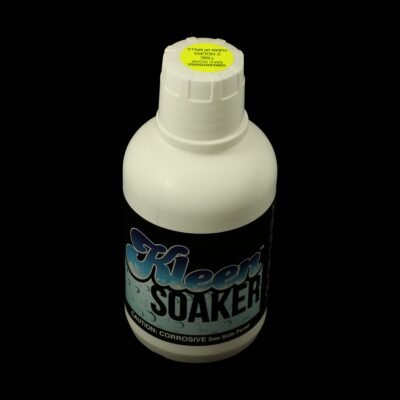
Cleaning products can be useful additions to a glass-maintenance routine.
However, the appropriate cleaning product and method can vary depending on the glass piece and its construction.
Before using a cleaning product, check whether it is appropriate for the specific glass product and follow the manufacturer's instructions.
Chameleon Glass offers cleaning products alongside its pipes, water pipes, replacement parts, and accessories.
This allows shoppers to explore maintenance products together with the glass pieces they are intended to support.
How to Maintain a Glass Collection
If you own multiple glass pieces, developing a consistent maintenance routine can make care easier.
Start by identifying each piece and its components.
For each glass product, consider keeping track of:
- Product name
- Removable components
- Replacement parts
- Cleaning requirements
- Storage requirements
- Manufacturer care instructions
This can be especially helpful for collections containing multiple styles of pipes, water pipes, bubblers, rigs, and accessories.
Different pieces may have very different constructions, so treating each product according to its individual requirements is preferable to applying one routine to everything.
Cleaning vs. Replacing Glass Components
Sometimes maintenance is not the only consideration.
Individual components can become damaged or require replacement.
Common replaceable components can include:
- Downstems
- Bowls
- Nails
- Domes
- Other compatible glass parts
When replacing a component, compatibility is essential.
Check:
Joint size + dimensions + connection type + configuration + intended application
A component that looks similar may not necessarily fit the intended glass piece.
When Should a Glass Component Be Replaced?
Replacement requirements depend on the condition and construction of the individual component.
If a component is damaged, no longer suitable for its intended application, or otherwise needs to be replaced, look for a compatible replacement rather than assuming that any similar component will work.
For replacement parts, compare the original component with the product specifications whenever possible.
Chameleon Glass offers a range of replacement components alongside its complete glass products.
Why Choose Chameleon Glass for Glass Care?
Chameleon Glass manufactures and sells glass products as well as accessories that support their care and maintenance.
The broader collection includes:
- Glass pipes
- Water pipes
- Bongs
- Bubblers
- Rigs
- Cleaning products
- Downstems
- Glass bowls
- Nails
- Domes
- Storage and organization products
- Other accessories
This gives shoppers the ability to explore glass pieces alongside products that can support their maintenance and storage.
What Makes Chameleon Glass Different?
Chameleon Glass combines functional glass manufacturing, American-made products, original designs, accessories, and decades of glassmaking experience.
The company's glassmaking history dates back to 1991.
Its collection extends beyond complete glass pieces to include cleaning products, replacement components, storage solutions, and other accessories.
This broader ecosystem allows shoppers to approach glass ownership from both sides: finding distinctive glass products and finding the tools and components needed to maintain them.
Frequently Asked Questions About Caring for Glass Pipes
How often should I clean a glass pipe?
Cleaning frequency depends on how often the piece is used and its specific design. Regular maintenance is generally easier than allowing substantial buildup to accumulate.
Can all glass pipes be cleaned the same way?
No. Glass pipes vary in shape, construction, components, and decorative details. Follow the appropriate care instructions for the individual product.
How should I handle glass during cleaning?
Handle glass carefully, use a stable workspace, avoid impacts, and avoid sudden temperature changes that could stress the material.
How do I clean a glass water pipe?
First identify the removable components and review the appropriate care instructions for the specific water pipe. Components such as bowls and downstems may require individual attention.
Should I remove the downstem before cleaning?
If the design allows the downstem to be removed, follow the product's instructions for doing so. Do not force a component that does not separate easily.
Why should I avoid sudden temperature changes?
Sudden temperature changes can place stress on glass. Handle and clean glass according to the appropriate product-care instructions.
How should I store a glass pipe?
Store it in a stable, protected location where it is less likely to be dropped or impacted. Removable components should also be stored carefully.
What if a glass component is damaged?
If a component needs to be replaced, identify its specifications and compare them with a compatible replacement. Joint size, dimensions, connection type, and configuration can all matter.
Does Chameleon Glass sell glass cleaning products?
Chameleon Glass offers cleaning products alongside glass pipes, water pipes, replacement components, storage products, and other accessories, subject to current availability.
How can I maintain multiple glass pieces?
Keep track of each piece's removable components and product-specific care requirements. A consistent maintenance routine can make long-term care easier.
Why do people use salt with isopropyl alcohol?
The alcohol dissolves resin while the salt acts as an abrasive scrub — using alcohol alone is slower and less effective on stuck-on buildup.
Will cleaning solution damage color-change glass?
High-alcohol cleaners can strip fuming effects over time — use a gentler solution or lower-alcohol rinse on internally fumed pieces.